Frozen Fish Processing, Cold Storage and Loading Facilities
Frozen fish buyers need more than a product name before placing a container order. They need to understand where the fish is processed, how products are graded and packed, how frozen cartons are stored, and what loading evidence can be provided before shipment. Youngfor Fishery presents processing, storage and loading scenes to help importers review order preparation with clearer expectations.
Facilities That Support Frozen Fish Export Orders
Visual evidence to help importers confirm order preparation stages before shipment.
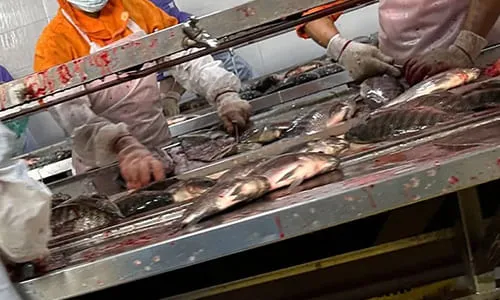
Processing Facilities
- Product form confirmation
- Size grading & Weighing
- Processing photos if available
- Packing before frozen storage
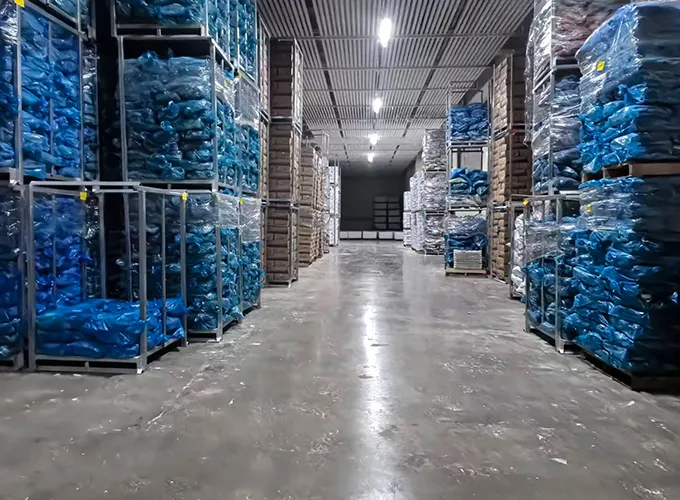
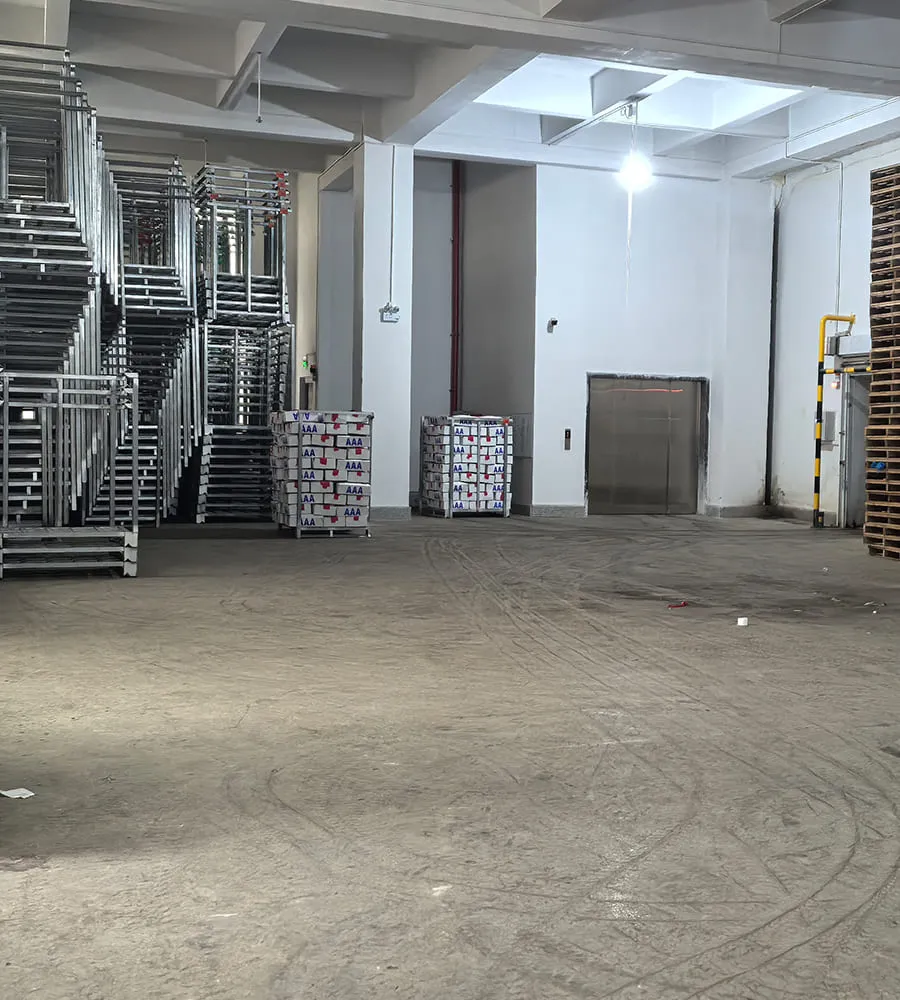
Cold Storage
- Frozen product holding
- Carton stock & Batch separation
- Frozen storage before loading
- Temperature information if available
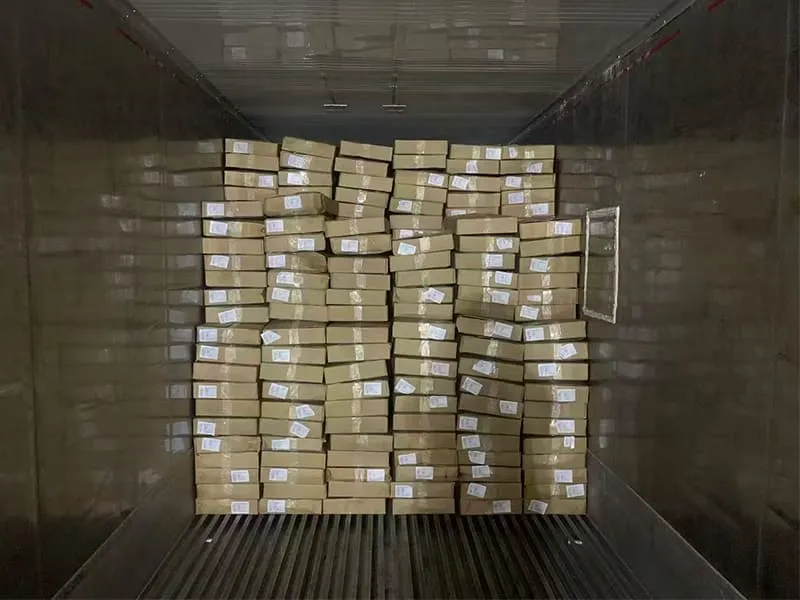
Loading & Export
- Reefer container arrival
- Carton loading process
- Loading photos
- Container & seal number if available
Processing Facilities for Whole Fish, Fillets and Gutted Fish
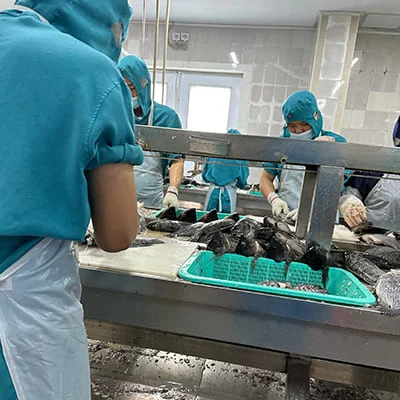
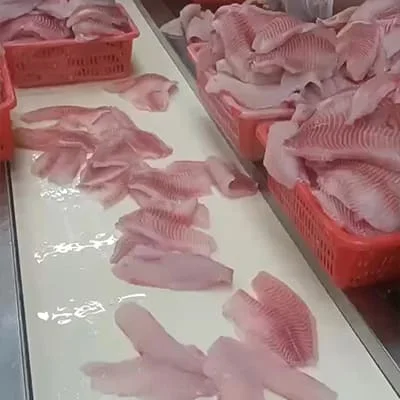
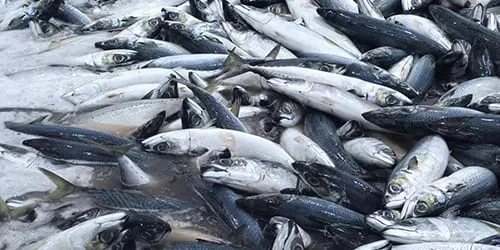
For frozen fish importers, the processing stage affects product form, carton consistency and final sales usability. Whole fish orders such as Frozen Tilapia Whole and Frozen Pacific Mackerel require form confirmation and size grading, while fillet products need trimming, size review and packing checks. Youngfor Fishery uses processing photos and order-specific checks when available to help buyers confirm the product being prepared before shipment.
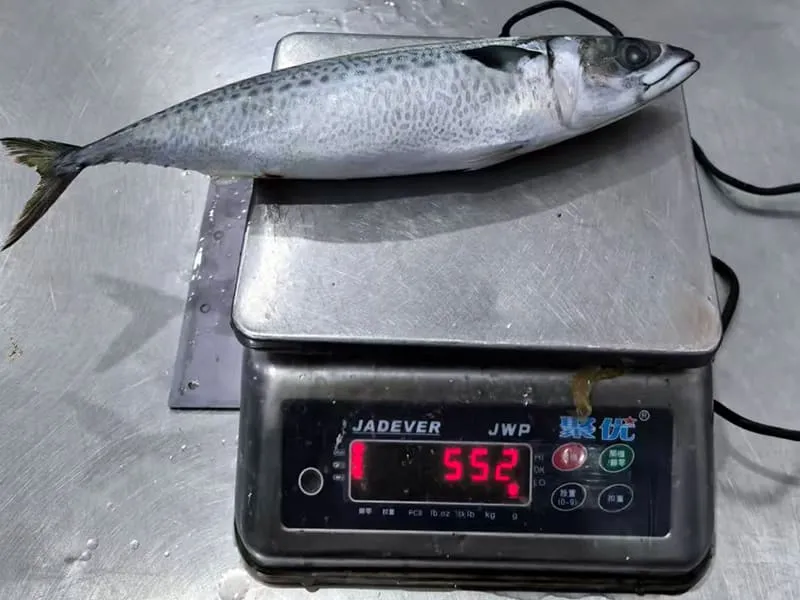
| Processing Area | What Happens There | Buyer Concern It Helps Address | Evidence to Prepare |
|---|---|---|---|
| Whole Fish Handling | Whole round, gutted or scaled product preparation | Avoids mismatch in processing form | Processing photo / product photo |
| Fillet Processing | Fillet trimming and packing review | Helps confirm fillet appearance and size | Fillet processing photo |
| Size Grading | Fish sorted by agreed size range | Reduces mixed-size cartons | Size grading photo |
| Weighing & Packing | Carton weight and packing status checked | Reduces weight and packing disputes | Weighing / carton photo |
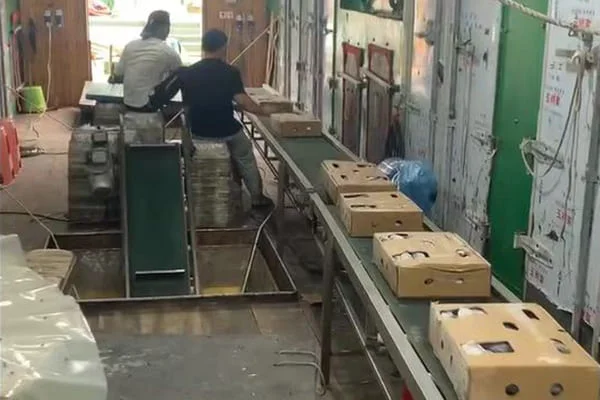
From Product Preparation to Frozen Carton Packing
Note: Processing flow varies by fish species. Order specifications should be confirmed before production. Photographic evidence is provided based on actual order stage and availability.
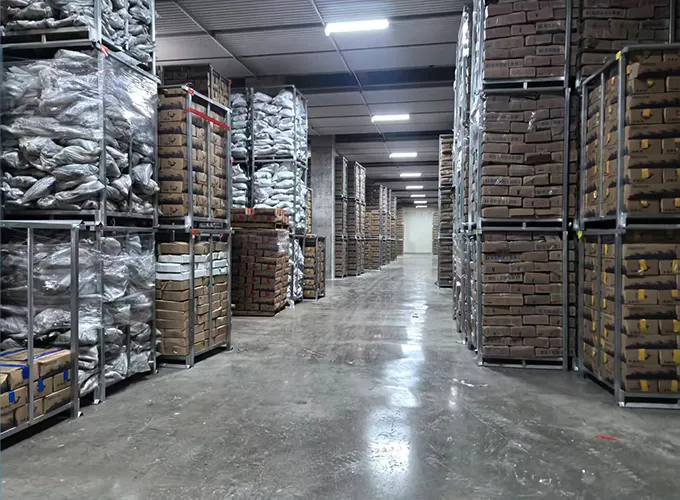
Cold Storage Before Frozen Fish Shipment
Frozen fish products need to remain under frozen storage conditions before dispatch.
Buyers who need to confirm packing, loading and export details can also review our Supply and Quality pages for comprehensive shipment preparation.
Storage & Preparation Checks
- Frozen carton stock condition
- Batch separation for specific orders
- Product name and label review
- Production date and lot number verification
- Carton condition before loading area transfer
Loading and Export Facilities for Reefer Containers
Before a frozen fish container leaves the loading site, importers often need to confirm whether the carton quantity, label details and loading condition match the order. Youngfor Fishery can use loading photos and shipment records when available to help buyers review the container before dispatch.
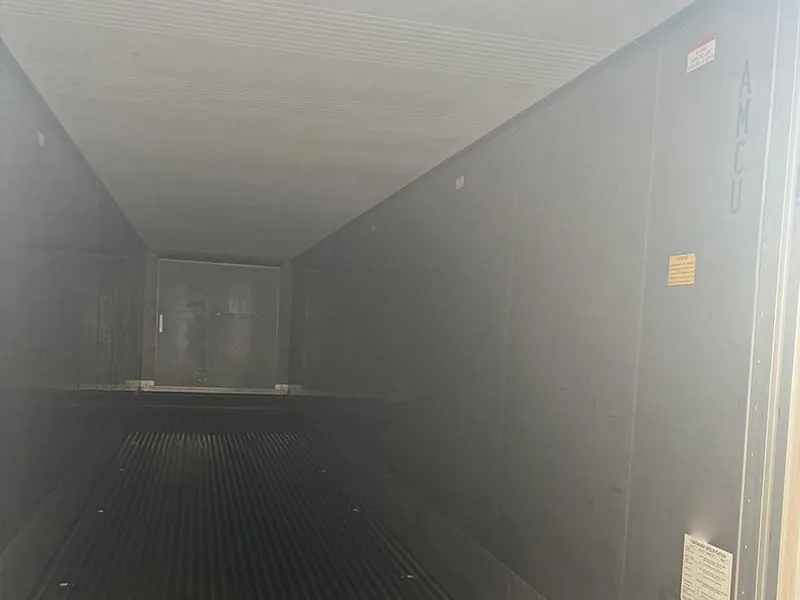
1. Container Arrival
Reefer container arrives at the loading area prepared for temperature-controlled transit.
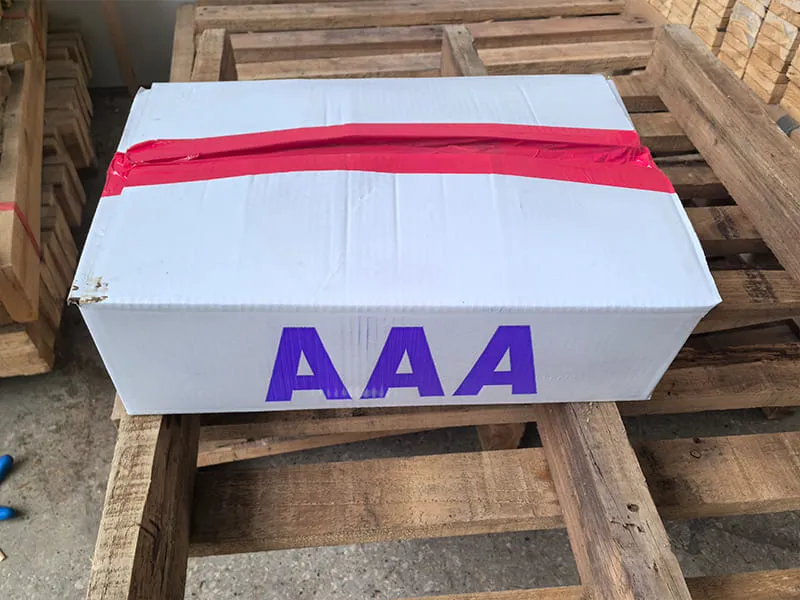
2. Carton Check
Carton marks, product name and packing details are checked before moving into the container.
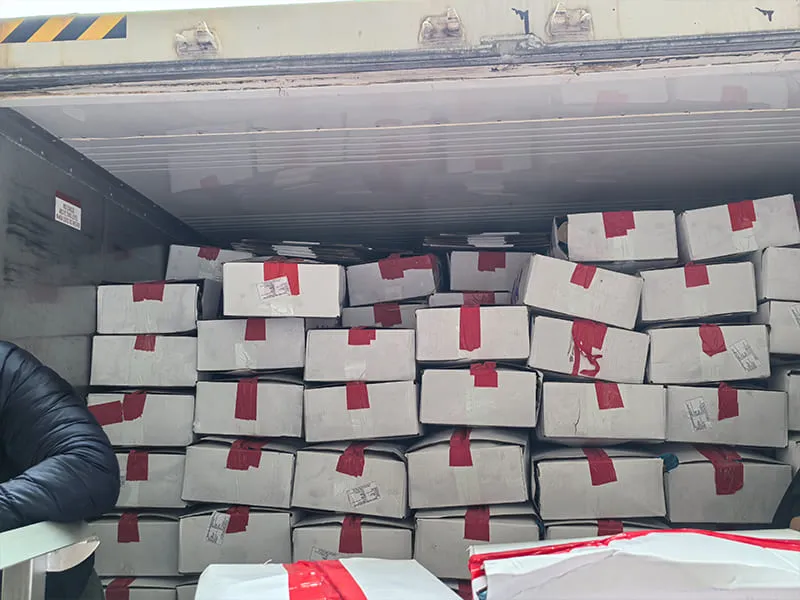
3. Loading Process
Frozen fish cartons are moved into the container according to the planned loading arrangement.
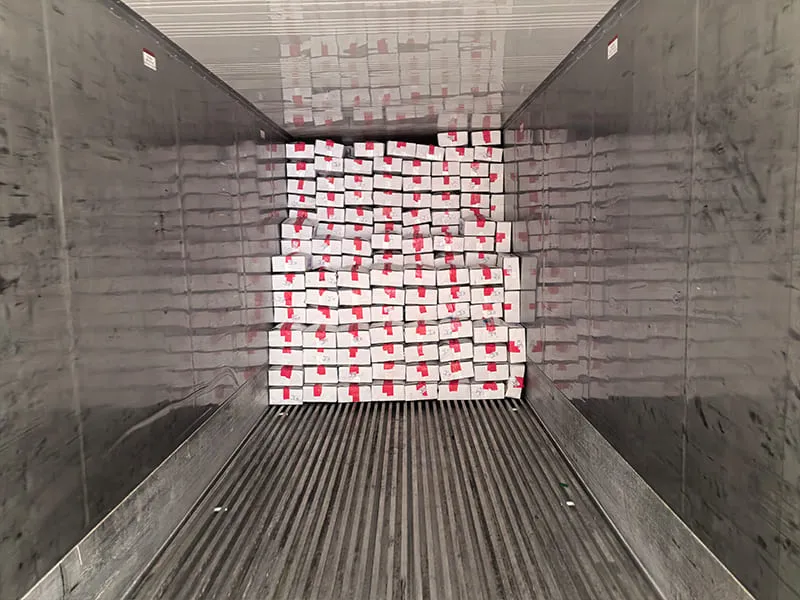
4. Loading Record
Loading photos, container number and seal number can be recorded when available for buyer review.
Facility Evidence Buyers Can Request
Connecting facility images directly to your order verification process.
Factory or Workshop Photo
Order Stage: Pre-production
Helps Confirm: Real processing or order preparation site.
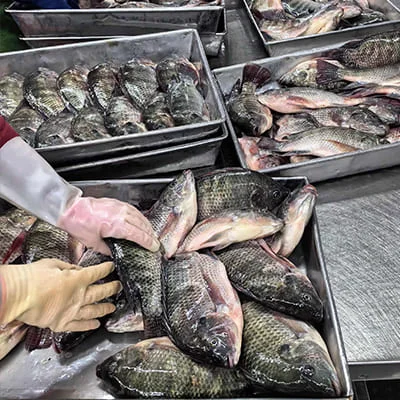
Processing Photo
Order Stage: During Production
Helps Confirm: Product form and preparation stage.
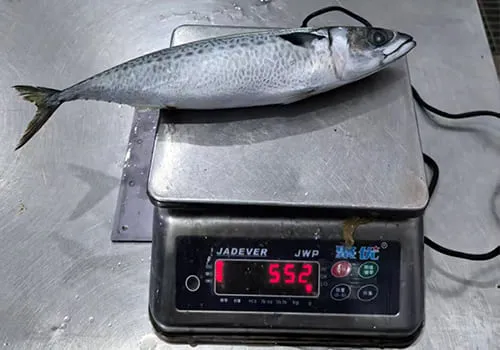
Size Grading Photo
Order Stage: Grading & Weighing
Helps Confirm: Size range and order consistency.
Packing Photo
Order Stage: Final Packing
Helps Confirm: Inner packing, carton and label condition.
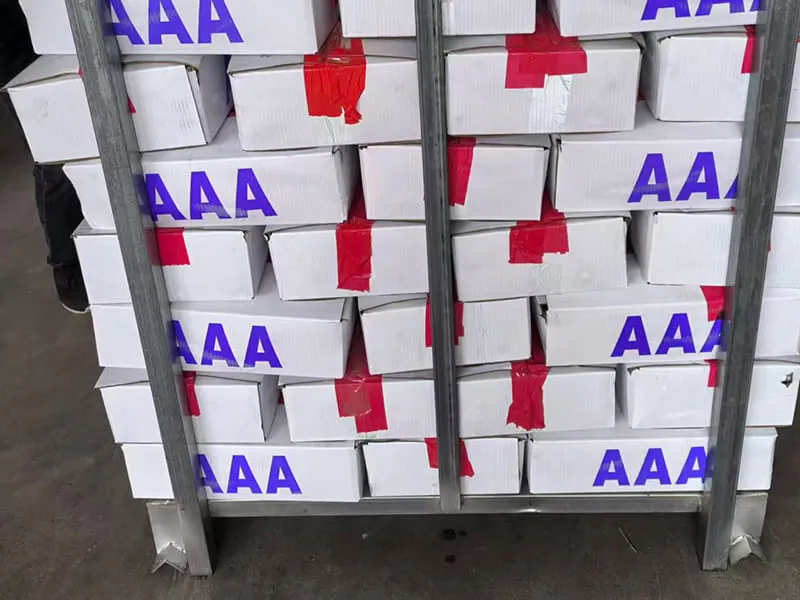
Cold Storage / Carton Stock
Order Stage: Pre-shipment
Helps Confirm: Frozen stock and batch preparation before loading.
Container Loading Photo
Order Stage: Dispatch
Helps Confirm: Loading status before container dispatch.
How Our Facilities Support Different Frozen Fish Products
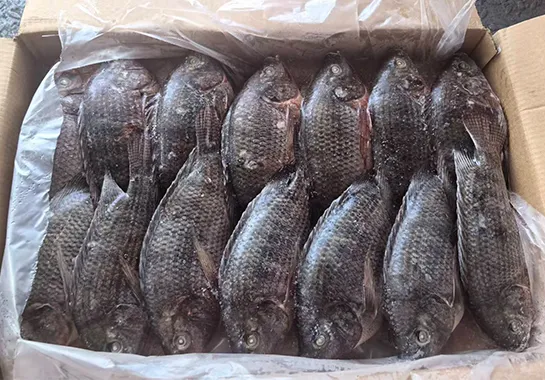
Frozen Tilapia Whole
- • Whole fish processing form
- • Size grading
- • Net weight and glazing checks
- • Carton packing
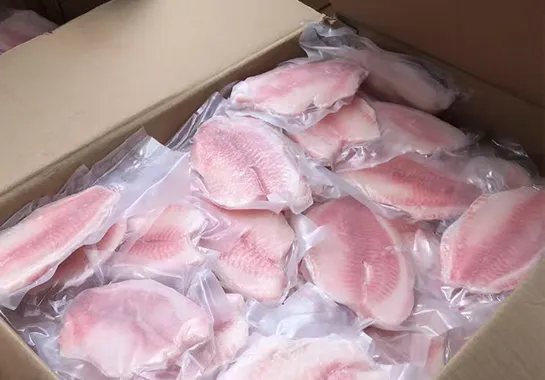
Frozen Tilapia Fillets
- • Fillet preparation
- • Trimming review
- • Packing
- • Carton weight check
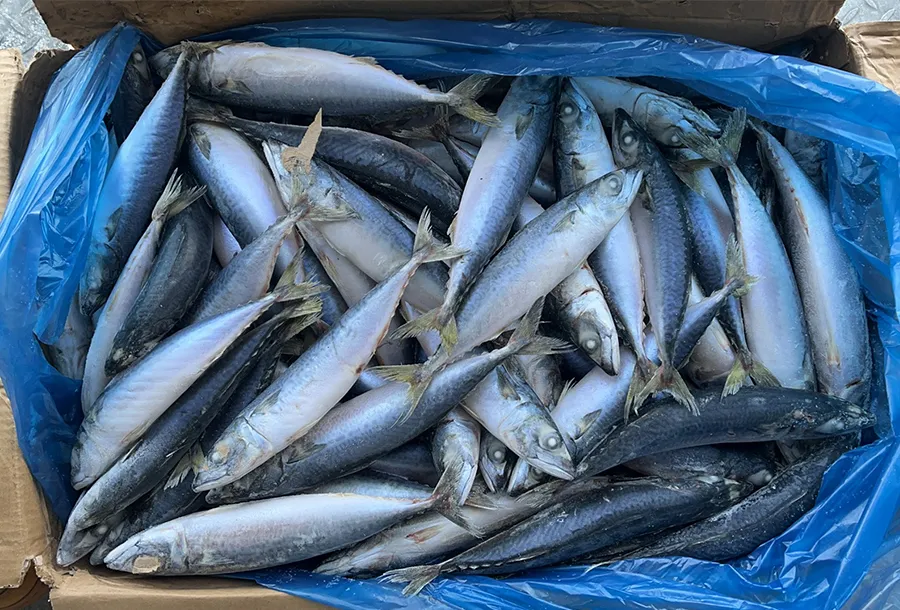
Frozen Pacific Mackerel
- • Whole round handling
- • Size grading & IQF / BQF
- • 10kg / 15kg carton packing
- • Container loading
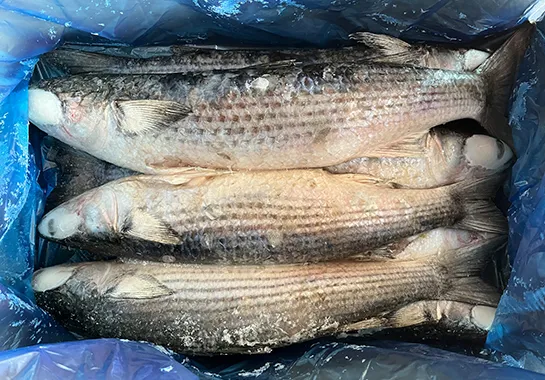
Frozen Gutted Grey Mullet
- • Gutted condition check
- • Belly cleaning review
- • Size range
- • Export packing
Details to Confirm Before Facility Preparation
Facility preparation is more useful when the order specification is clear before processing.
Pre-production Checklist
- Product name
- Processing form
- Size range
- Quantity
- Net weight & Glazing
- Freezing method
- Inner & Carton packing
- Private label / Language
- Destination port
- Photo / Inspection needs
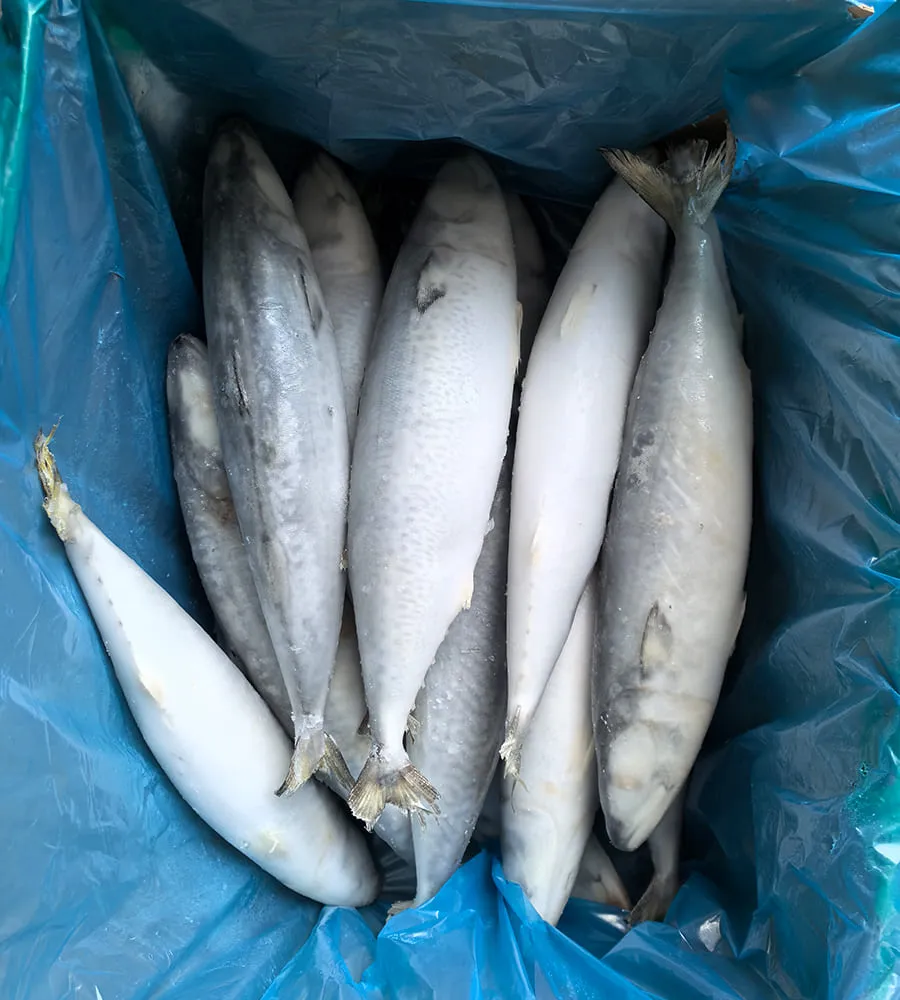
Facilities Connected to Our Main Resources
For buyers who want to understand how facility checks connect with size, packaging and loading review, our Quality page explains the inspection items used before shipment.
FAQ About Frozen Fish Processing Facilities
Answers to common questions from frozen fish importers regarding processing, storage and loading.
What facilities support Youngfor Fishery frozen fish export orders?
What happens in the processing facilities?
Can buyers request processing photos?
How are frozen fish cartons stored before shipment?
What loading evidence can buyers request?
Do the same facilities handle all fish products?
Can private label or local-language cartons be prepared?
What should I send before requesting facility-related evidence?
Request Facility Photos for Your Frozen Fish Order
To prepare a useful facility-related response, please send the product name, processing form, size range, quantity, net weight, glazing requirement, carton packing, label language, destination port and any photo or inspection request. We will confirm which processing, packing, cold storage or loading evidence can be provided for your order.